Effective Wayfinding Signage Solutions for Indoor Spaces in Wollongong
Table Of Contents
The Role of Colour and Typography in Signage
Colour and typography are critical elements in the design of effective signage. Different hues can evoke various emotions and responses, influencing how users navigate indoor spaces. For instance, warm colours like red and orange can attract attention and prompt quick decisions, while cooler tones such as blue and green tend to evoke calmness and trust, making them suitable for more relaxed environments. The choice of colour should align with the purpose of the signage and the information conveyed, ensuring that the content is not only eye-catching but also appropriate for the setting.
Typography also plays a pivotal role in facilitating comprehension. Fonts should be selected based on readability, considering factors such as legibility from a distance and compatibility with the signage's overall aesthetic. Sans-serif fonts are often preferred for their clean lines and modern appearance, allowing for quick recognition. The sizing and spacing of text contribute significantly to its effectiveness, making it essential to strike the right balance. Well-designed signage not only guides individuals efficiently but also enhances the overall visual experience of the indoor environment.
Improving Recognition and Readability
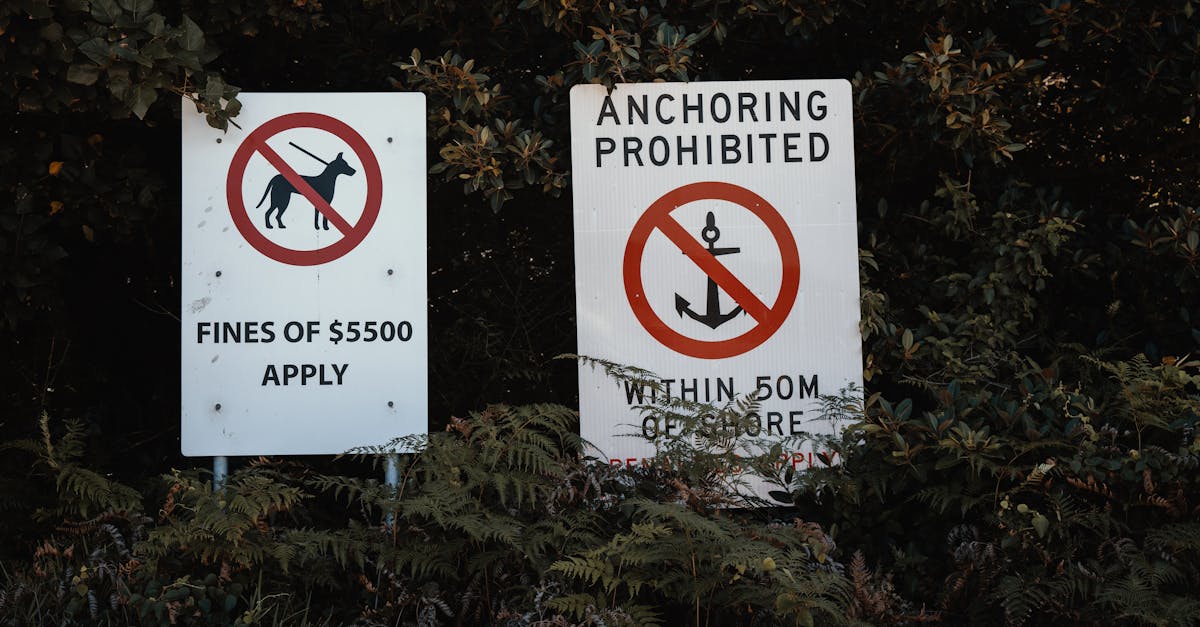
Clear communication is essential in any wayfinding signage, ensuring that messages are instantly understandable. The use of contrasting colours can significantly enhance visibility. For example, dark text on a light background or vice versa tends to attract attention and promote quick recognition. Incorporating ample whitespace around text and symbols can also eliminate clutter, allowing users to absorb information faster.
Typography plays a crucial role in readability, influencing how easily individuals can decode signage. Fonts that are simple yet bold are preferred, as they reduce the cognitive load for viewers. Sans-serif fonts, like Arial or Helvetica, are often recommended due to their clean lines and modern appeal. Additionally, it's vital to use appropriate font sizes to cater to different viewing distances, ensuring that essential information is accessible to all.
Integrating Technology in Wayfinding Signage
The integration of technology in wayfinding signage enhances user experience significantly. Digital displays, interactive kiosks, and augmented reality applications create a dynamic environment that adapts to the needs of individuals navigating complex indoor spaces. These technological advancements allow for real-time updates, ensuring visitors receive the most current information about their surroundings. Such systems can guide people to their destinations while providing essential details like facility hours and event notifications.
Furthermore, smart signage often incorporates data analytics to better understand foot traffic patterns in various facilities. This insight enables the installation of signage in optimal locations, improving visibility and effectiveness. The combination of user-friendly interfaces with engaging formats makes navigating spaces like shopping centres, airports, and office buildings far more intuitive. Technology not only simplifies the wayfinding process but also enhances overall visitor satisfaction, leading to a more seamless experience.
Smart Signage Solutions for Modern Spaces
Utilising digital displays and interactive kiosks can revolutionise wayfinding in modern indoor spaces. These smart signage solutions offer dynamic content that can be updated in real time. Visitors benefit from engaging user interfaces that provide directions, venue information, and even public transport updates. Incorporating touchscreens allows users to search for specific locations and access detailed maps, enhancing their overall experience.
Incorporating augmented reality features can further elevate the effectiveness of signage. Mobile applications can overlay directional information onto a device's camera view, guiding users seamlessly through complex environments. This blend of technology and intuitive design not only improves accessibility but also caters to the needs of diverse audiences, ensuring everyone can navigate efficiently and comfortably.
Compliance with Safety and Regulatory Standards
Creating signage that adheres to safety and regulatory standards is crucial for public spaces. Local guidelines often dictate not just the content of the signs but also their placement and size to ensure they are easily visible and readable. Following these standards helps minimise risks associated with miscommunication, especially in areas where emergencies may occur. Compliance ensures that all users, including those with disabilities, can navigate the space safely and effectively.
In emphasising compliance, it is beneficial to consult with local authorities and regulatory bodies during the planning stages. This proactive approach can streamline the approval process and ensure that all signage aligns with the latest safety practices. By integrating these considerations from the outset, installations can enhance user experience while promoting accessibility and clarity in crucial information dissemination. Adhering to regulations not only fosters a safer environment but also contributes to the overall functionality of indoor spaces.
Ensuring Signage Meets Local Guidelines
Compliance with local guidelines is essential when designing wayfinding signage. Authorities often have specific requirements regarding the dimensions, materials, and placement of signs. Understanding these regulations ensures that the signage remains effective while also adhering to necessary legal frameworks. Local councils in Wollongong may provide detailed documentation outlining these standards, making it crucial for designers to remain informed.
Meeting accessibility standards is another critical factor. Signs should be inclusive, catering to individuals with diverse needs. This includes using appropriate font sizes, tactile elements, and braille where necessary. Regular reviews of local legislation help in refining signage strategies and aligning them appropriately. Keeping abreast of changes not only aids in compliance but enhances the overall user experience in indoor spaces.
FAQS
Why is colour important in wayfinding signage?
Colour plays a crucial role in wayfinding signage as it enhances recognition and helps convey information quickly. It can evoke emotions, guide users along a path, and differentiate between different areas or functions in a space.
How does typography affect the readability of signage?
Typography impacts readability by influencing how easily text can be scanned and understood. Using clear, legible fonts and appropriate sizes ensures that information is accessible to all users, including those with visual impairments.
What are smart signage solutions?
Smart signage solutions integrate digital technology into wayfinding systems, allowing for dynamic content updates, interactive maps, and real-time information. This enhances user experience and can adapt to changing environments or events.
How can businesses ensure their signage complies with local guidelines?
Businesses can ensure compliance by researching local safety and regulatory standards, consulting with signage professionals, and regularly reviewing updates to guidelines. It’s important to collaborate with local authorities to meet all necessary requirements.
What are the benefits of effective wayfinding signage in indoor spaces?
Effective wayfinding signage improves navigation, enhances user experience, reduces confusion, and can even increase foot traffic in commercial spaces. It also contributes to safety by providing clear directions and emergency information.
Related Links
Importance of Clear Indoor Wayfinding Signage for Visitor ExperienceTrends in Indoor Wayfinding Signage for Educational Institutions
Importance of Accessibility in Indoor Wayfinding Signage
Ways to Ensure Consistency in Indoor Wayfinding Signage Design
Integrating Technology into Indoor Wayfinding Signage Systems
Case Studies on Successful Indoor Wayfinding Signage Implementations