The Impact of Effective Promotional Signage on Brand Awareness
Table Of Contents
Case Studies of Effective Signage
Effective promotional signage has been a critical element for numerous brands seeking to boost their visibility and customer engagement. A notable example is a local café that revamped its exterior signage to reflect a modern design while remaining true to its brand identity. The café incorporated large, eye-catching graphics alongside a clear menu display. As a result, foot traffic increased significantly, leading to a marked rise in sales during peak hours. The transformation not only attracted new customers but also reinforced brand loyalty among existing patrons.
Another successful case involves a fitness centre that utilised digital signage to promote classes and special offers dynamically. By using vibrant visuals and changing messages, the centre captured the attention of passers-by, effectively turning casual observers into potential members. The strategic placement of these signs near busy intersections ensured that the message reached a vast audience. Feedback collected from new sign-ups indicated that many were influenced by the eye-catching display when deciding to join the gym, demonstrating the power of effective signage in brand promotion.
Real-World Examples of Branding Success
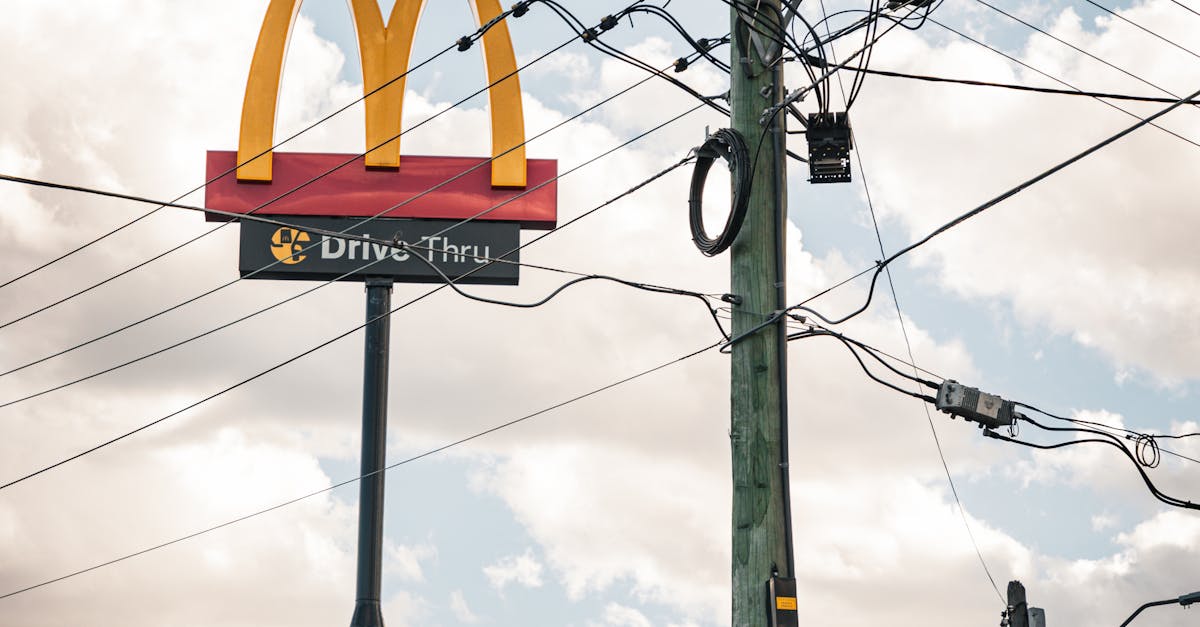
Promotional signage plays a crucial role in successful branding, as seen with various well-known companies. For instance, McDonald's utilises its iconic golden arches not only for identification but also to evoke a sense of familiarity and comfort among customers. The visibility of these signs contributes significantly to foot traffic, ensuring that customers associate the brand with prompt service and consistent quality. This simple yet effective approach to visual branding reinforces the company's presence, leading to enhanced customer loyalty.
Another notable example is Coca-Cola, which employs vibrant and eye-catching signage at numerous events and venues. The brand cleverly uses signage to engage audiences emotionally, often incorporating festive designs or location-specific elements. These creative strategies help elevate Coca-Cola's visibility and strengthen its connection with consumers. By crafting a memorable visual identity, the company effectively draws in potential customers, solidifying its position as a leader in the beverage industry.
Measuring Signage Effectiveness
Evaluating the effectiveness of promotional signage involves analysing various metrics that indicate how well a sign reaches its intended audience. Key indicators include foot traffic, dwell time, and sales conversions attributed to specific signage. By combining quantitative data such as customer counts and sales figures with qualitative feedback from customer surveys, businesses can gain insights into how signage influences consumer behaviour. This multifaceted approach offers a clear picture of a sign's impact on brand awareness and purchasing decisions.
Gathering data on consumer engagement is also essential in understanding signage effectiveness. Observational studies can reveal patterns in customer interactions with signs, while digital tools, such as heat maps and click-through rates, provide additional layers of analysis. Businesses increasingly utilise technology to track how potential customers respond to signage in real-time, allowing for adaptive strategies. Employing a combination of these methods creates a comprehensive framework for assessing the real-world impact of promotional signage on brand visibility and overall success.
Metrics to Assess Brand Awareness
Evaluating brand awareness requires a multifaceted approach that goes beyond simple impressions. Surveys and questionnaires offer valuable insights by capturing consumer perceptions of brand recognition. These tools can measure how familiar potential customers are with a brand, allowing businesses to identify gaps in awareness and adjust their messaging strategies accordingly. Tracking social media engagement also provides a quantitative measure of brand visibility and reach.
Another effective metric is website traffic analysis. Monitoring changes in web visits can indicate how successful promotional signage is in driving consumer interest. Utilising tools like Google Analytics helps businesses assess which signage locations or messages generate the most traffic. Additionally, tracking conversions from promotional efforts can directly link brand awareness to sales outcomes, creating a clear picture of a brand's effectiveness in engaging its audience.
The Impact of Location on Signage Success
The placement of promotional signage plays a crucial role in its overall effectiveness. High-traffic areas naturally increase visibility and engagement, drawing in potential customers who may not have been previously aware of a brand. Consideration of the audience's behaviour is essential, as signs positioned near points of interest, such as shopping centres or public transport hubs, can capture attention more effectively. Conversely, signs placed in obscure or low-traffic locations may lead to missed opportunities for brand interaction.
Another important aspect relates to the surrounding environment. Factors such as competing signage and local regulations can impact how well a promotional sign performs. A clear and aesthetically pleasing design becomes paramount when competing with other visual stimuli. Additionally, understanding the demographics of the location can significantly influence the message and design elements, ensuring that the signage resonates with the target audience. This tailored approach maximises the potential for creating strong brand awareness.
Best Practices for Sign Placement
When placing promotional signage, visibility is crucial. Signs should be positioned where they can capture the attention of passersby without obstruction. High traffic areas, such as near store entrances or along busy roads, are ideal locations. Additionally, ensuring that signage is at eye level enhances its chances of being noticed. Bright colours and bold fonts can help the sign stand out, particularly against a contrasting background.
Another important consideration is the relevance of the signage to its environment. The message should resonate with the target audience and align with the overall branding of the business. Contextual placement, such as near complementary businesses or events, can enhance the effectiveness of the sign. Regularly assessing the impact of the signage through customer feedback and foot traffic can provide insights for improvements or adjustments needed in the future.
FAQS
What is the role of promotional signage in brand awareness?
Promotional signage plays a crucial role in brand awareness by visually communicating a brand's message, values, and offerings to potential customers. It captures attention, enhances recall, and helps differentiate a brand from its competitors.
How can effective signage influence consumer behaviour?
Effective signage can influence consumer behaviour by drawing attention to products or services, providing essential information, and creating a strong visual identity that resonates with customers. This can lead to increased foot traffic, higher engagement, and ultimately, more sales.
What metrics can be used to measure the effectiveness of promotional signage?
Metrics to assess the effectiveness of promotional signage include foot traffic counts, sales conversion rates, customer feedback, brand recall surveys, and social media engagement. These metrics help determine the impact of signage on brand awareness and consumer actions.
Are there specific locations that are better for displaying signage?
Yes, high-traffic areas with significant visibility, such as shopping centres, busy streets, or near points of interest, are ideal for displaying signage. The location should align with the target audience and the overall marketing strategy to maximise effectiveness.
What are some best practices for placing promotional signage?
Best practices for sign placement include ensuring visibility from various angles, using clear and concise messaging, selecting appropriate sizes and designs, and regularly updating the content to keep it relevant. Additionally, considering the surrounding environment can enhance the sign's impact.
Related Links
Innovative Ideas for Promotional Signage in Retail SpacesEnhancing Customer Engagement with Indoor Promotional Signage in Wollongong
Trends in Indoor Promotional Signage: What Wollongong Businesses Should Know
How to Measure the Effectiveness of Indoor Promotional Signage
Case Studies: Successful Indoor Promotional Signage in Wollongong
Seasonal Promotional Signage Strategies for Indoor Stores
Maximising Space with Creative Indoor Promotional Signage Solutions